
Compare New and Rebuilt Brake Calipers: Which One Is Better for Your Vehicle in Canada?
Share
When it comes to your vehicle’s brake system, few components are as important as the brake caliper. It plays a direct role in stopping your car safely by pressing the brake pads against the brake rotors.
If your caliper fails, you’ll likely face a key decision: Should you buy a new brake caliper or a rebuilt (remanufactured) one?
In this guide, we’ll compare new and rebuilt brake calipers in detail, especially for Canadian drivers dealing with salt, snow, and harsh road conditions.
If you're currently shopping for brake components, you can explore our full brake collection here:
https://kit.bestparts.ca/
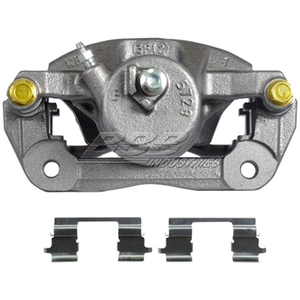
What Does a Brake Caliper Do?
A brake caliper houses the piston(s) that push the brake pad against the brake rotor when you press the brake pedal. Hydraulic pressure travels through the brake hose, activating the caliper and creating friction to slow the wheel.
Without a properly functioning brake caliper:
- Braking distance increases
- Pads wear unevenly
- Rotors may overheat
- Your vehicle may pull to one side
Because calipers are exposed to water, salt, and debris, they are especially vulnerable in Canada.
What Is a New Brake Caliper?
A new brake caliper is a completely brand-new unit manufactured with new castings, pistons, seals, and hardware.
Advantages of New Brake Calipers
• 100% new components
• Maximum reliability
• Longer service life
• Lower risk of internal corrosion
• Often better for performance or heavy-duty use
Disadvantages
• Higher cost
• May not be necessary for older or high-mileage vehicles
New calipers are ideal for drivers who:
- Plan to keep their vehicle long-term
- Drive in heavy snow and road salt conditions
- Tow or carry heavy loads
- Want maximum peace of mind
What Is a Rebuilt (Remanufactured) Brake Caliper?

A rebuilt brake caliper is a used caliper core that has been:
- Disassembled
- Cleaned and sandblasted
- Inspected for wear
- Reassembled with new seals and pistons (if needed)
- Pressure tested
Advantages of Rebuilt Calipers
• More affordable
• Environmentally friendly (recycling components)
• Usually meet OEM specifications
• Widely available
Disadvantages
• Housing is reused
• Quality depends on the remanufacturing process
• Potential shorter lifespan in harsh climates
Rebuilt calipers are a popular option for:
- Budget repairs
- Older vehicles
- Temporary fixes

Cost Comparison in Canada
Pricing varies depending on vehicle type, but generally:
New brake caliper:
Higher upfront cost but longer service life
Rebuilt brake caliper:
Lower upfront cost but may not last as long in high-salt areas
For Canadian drivers, especially in Ontario and Quebec where road salt is heavily used, corrosion resistance matters a lot.
If corrosion caused your old caliper to seize, a new unit may prevent repeat issues.
Performance & Safety Differences
From a performance standpoint, both new and high-quality rebuilt calipers can provide similar stopping power — if properly installed and matched with good brake rotors and pads.
However, here’s where differences show up:
New Calipers:
- More consistent piston movement
- Lower chance of sticking
- Better long-term reliability
Rebuilt Calipers:
- Can perform well initially
- May develop issues sooner if housing was heavily corroded
For daily commuting, either can work.
For heavy braking, towing, or winter driving, new is often safer long-term.
Common Reasons Brake Calipers Fail
• Corrosion from road salt
• Torn piston seals
• Collapsed brake hose
• Overheated brake rotors
• Long periods of vehicle storage
If you're replacing a caliper, it’s smart to inspect:
- Brake pads
- Brake rotors
- Brake hose
Replacing everything together can prevent uneven wear and future failures.
Should You Replace Both Calipers at the Same Time?
In most cases, yes.
Even if only one side is seized, the other side likely has similar wear. Replacing both ensures:
- Balanced braking
- Even pad wear
- Equal hydraulic pressure
It also saves labor in the long run.
Environmental Consideration
Rebuilt calipers reduce waste and support recycling efforts. If you're environmentally conscious and your vehicle isn’t exposed to extreme corrosion, rebuilt can be a responsible option.
Which Option Is Better for Canadian Drivers?
Here’s a simple guideline:
Choose New Brake Calipers If:
- You drive daily in winter
- You want long-term reliability
- You tow or carry heavy loads
- Your previous caliper failed due to corrosion
Choose Rebuilt Brake Calipers If:
- You're on a budget
- Your vehicle is older
- It’s a short-term repair
- You live in a milder climate
Expert Recommendation
For most Canadian drivers, especially in regions with heavy snow and salt, investing in a new brake caliper often saves money over time by reducing repeat repairs.
However, high-quality rebuilt calipers from trusted suppliers can still provide safe and reliable braking when properly installed.
Always pair your caliper replacement with quality brake rotors and inspect your brake hose to ensure complete system performance.
You can browse our available brake components here:
https://kit.bestparts.ca/
FAQs
Is a rebuilt brake caliper safe?
Yes, if it is properly remanufactured and tested. Always buy from a reputable supplier.
How long does a new brake caliper last?
Typically 8–12 years depending on driving conditions and climate.
Can a bad brake hose cause caliper problems?
Yes. A collapsed brake hose can trap hydraulic pressure, causing the caliper to stick.
Do I need to replace brake rotors when replacing a caliper?
Not always, but if rotors are warped or worn unevenly, replacement is recommended.
Is it cheaper to rebuild my own caliper?
It can be, but it requires proper tools, skill, and safety precautions. For most drivers, buying new or rebuilt is safer.
Final Thoughts
Your brake system is one area where safety should never be compromised. Whether you choose a new or rebuilt brake caliper, make sure the part meets quality standards and is suitable for Canadian road conditions.
If you're unsure which option is right for your vehicle, our team can help you choose the correct brake parts for your specific application.
Drive safe.