
How Should I Know That My Car Needs Alignment?
Wheel alignment is one of the most overlooked maintenance items, yet it directly affects how your car drives, how long your tires last, and how safe your suspension system remains over time. Many drivers assume alignment issues appear suddenly, but in reality, misalignment often develops gradually as suspension and steering components wear out. Understanding the warning signs early can save you from expensive repairs and prevent unnecessary stress on critical parts like suspension parts, control arms, struts, and wheel bearing assemblies.
This guide explains how to recognize alignment problems, what causes them, and why ignoring them can lead to bigger mechanical issues. If you want to protect your vehicle’s handling and extend the life of its suspension system, alignment awareness is essential.
What Does Wheel Alignment Actually Mean?
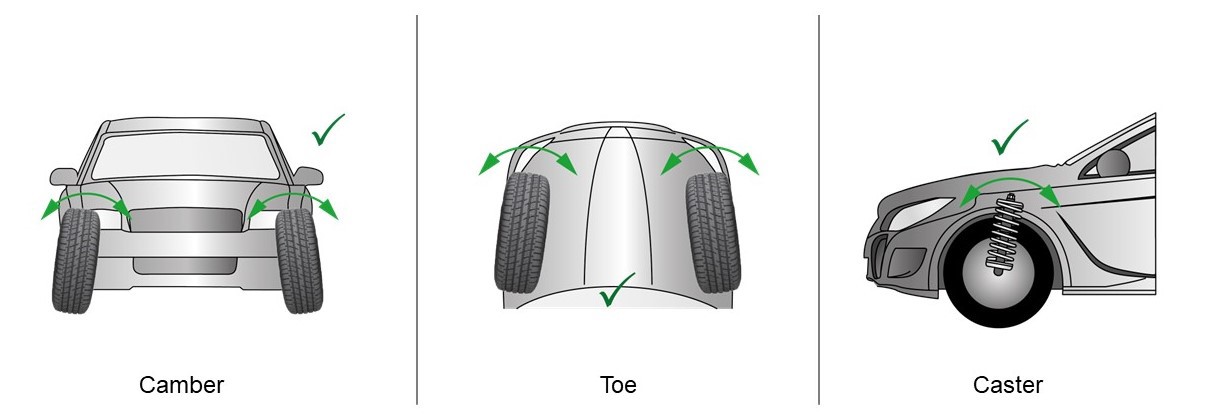
Wheel alignment refers to adjusting the angles of your wheels so they meet the manufacturer’s specifications. These angles control how your tires contact the road and how your steering responds. Proper alignment ensures straight-line stability, predictable cornering, and even tire wear.
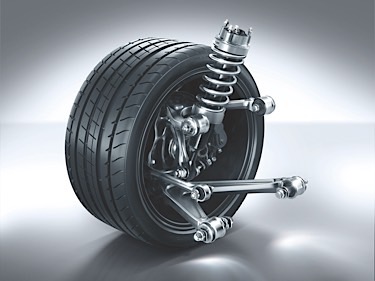
Alignment is closely tied to your suspension system. Components such as control arms, struts, tie rods, and wheel bearings all influence how the wheels sit relative to the road. When these parts wear or shift, alignment moves out of specification, even if the vehicle still feels “mostly fine” at first.

Common Signs Your Car Needs an Alignment
One of the most noticeable symptoms is when your car pulls to one side while driving on a straight, flat road. If you constantly need to correct the steering wheel, alignment is often the cause. This pulling usually indicates uneven angles caused by worn suspension parts or slight impacts from potholes or curbs.
Another warning sign is a steering wheel that sits off-center when driving straight. Even a small deviation suggests that the wheels are no longer aligned properly. Over time, this condition places added strain on steering components and can accelerate wear on control arms and struts.
Uneven or rapid tire wear is another strong indicator. Tires may wear more on the inner or outer edges, or develop a feathered texture. Misalignment forces tires to scrub against the road surface rather than rolling smoothly. This not only shortens tire life but also increases rolling resistance, reducing fuel efficiency.
Vibrations in the steering wheel can also appear, especially at higher speeds. While vibrations can have multiple causes, alignment-related stress on wheel bearing assemblies and suspension joints often contributes to this problem.
How Suspension Parts Affect Alignment
Your suspension system is responsible for keeping the wheels planted firmly on the road while absorbing bumps and maintaining control. When suspension parts begin to wear, alignment rarely stays correct.
Control arms play a critical role in maintaining wheel position. Worn bushings or bent control arms allow excessive movement, which directly alters wheel angles. This movement can cause clunking noises, vague steering response, and constant alignment changes even after adjustment.
Struts are another major factor. As struts wear, they lose their ability to control wheel motion effectively. This results in poor handling, nose-diving during braking, and inconsistent tire contact with the road. Misalignment caused by worn struts often returns quickly if the underlying issue is not addressed.
Wheel bearing assemblies also influence alignment indirectly. A failing bearing allows wheel play, which can mimic alignment problems and create unstable handling. In severe cases, bearing wear can damage other suspension components and lead to costly repairs.
Why Alignment Problems Often Return
Many drivers get an alignment done, only to notice the same issues coming back within months. This usually happens because worn suspension or steering parts were not replaced beforehand. Alignment adjustments alone cannot compensate for loose control arms, weak struts, or failing wheel bearings.
If your vehicle repeatedly goes out of alignment, it is a strong indication that underlying suspension components need attention. Replacing worn parts first ensures that the alignment stays within specification for the long term.
How Road Conditions Contribute to Misalignment
Daily driving conditions play a major role in alignment wear. Potholes, speed bumps, rough roads, and curb impacts all place stress on suspension parts. In regions with harsh winters and uneven pavement, alignment issues tend to develop more quickly.
Even minor impacts can gradually shift wheel angles. Over time, these small changes add up, especially when combined with normal wear of control arms, struts, and wheel bearing assemblies.
When Should You Check Alignment?
Alignment should be checked whenever you notice changes in handling or tire wear. It is also recommended after replacing suspension parts or steering components. Installing new control arms or struts without an alignment can lead to immediate tire damage.
As a preventive measure, checking alignment once a year or every 20,000 kilometers is a good practice, especially if you frequently drive on rough roads. This small investment helps protect expensive components and improves overall driving comfort.
The Connection Between Alignment and Safety
Proper alignment is not just about tire life. Misaligned wheels reduce braking efficiency, compromise steering control, and increase stopping distances. In emergency situations, poor alignment can make the vehicle unpredictable and harder to control.
Suspension parts under constant stress due to misalignment are more likely to fail prematurely. Addressing alignment issues early reduces the risk of sudden component failure and helps maintain safe driving conditions.
Fixing Alignment the Right Way
The correct approach to alignment starts with inspection. A professional technician should check control arms, struts, tie rods, and wheel bearing assemblies before making adjustments. Replacing worn components first ensures that the alignment is accurate and durable.
For drivers planning suspension repairs or upgrades, complete kits can simplify the process. If you are replacing multiple components at once, using matched kits ensures proper fitment and long-term reliability. You can explore ready-to-install suspension solutions at https://kit.bestparts.ca/ where components are selected to work together correctly.

How Alignment Impacts Long-Term Ownership Costs
Ignoring alignment problems often leads to a chain reaction of wear. Tires wear out faster, suspension parts fail sooner, and fuel consumption increases. What starts as a simple adjustment can quickly turn into a major repair bill if neglected.
Maintaining alignment protects your investment and reduces long-term costs. It also preserves ride quality and ensures that your vehicle continues to perform as intended.
Final Thoughts
Knowing when your car needs alignment is about paying attention to how it drives, how your tires wear, and how your steering feels. Alignment issues are rarely isolated problems; they are often linked to worn suspension parts such as control arms, struts, and wheel bearing assemblies.
By addressing alignment concerns early and fixing the root causes, you improve safety, extend component life, and enjoy a smoother, more predictable driving experience. Alignment maintenance is not optional if you want your vehicle to remain reliable over time.
Frequently Asked Questions
-
How long does a wheel alignment last?
Alignment can last anywhere from several months to a year, depending on driving conditions and suspension health. Worn suspension parts will shorten this interval significantly. -
Can bad struts cause alignment problems?
Yes, worn struts affect wheel control and can cause alignment angles to shift, leading to uneven tire wear and poor handling. -
Is alignment necessary after replacing control arms?
Absolutely. Any suspension work that affects wheel position requires alignment to prevent rapid tire wear and handling issues. -
Can wheel bearing assemblies affect alignment?
Indirectly, yes. Excessive wheel play from a worn bearing can cause unstable handling that feels like an alignment problem. -
Is it safe to drive with bad alignment?
Short-term driving may be possible, but long-term misalignment reduces safety, increases tire wear, and accelerates suspension damage.